
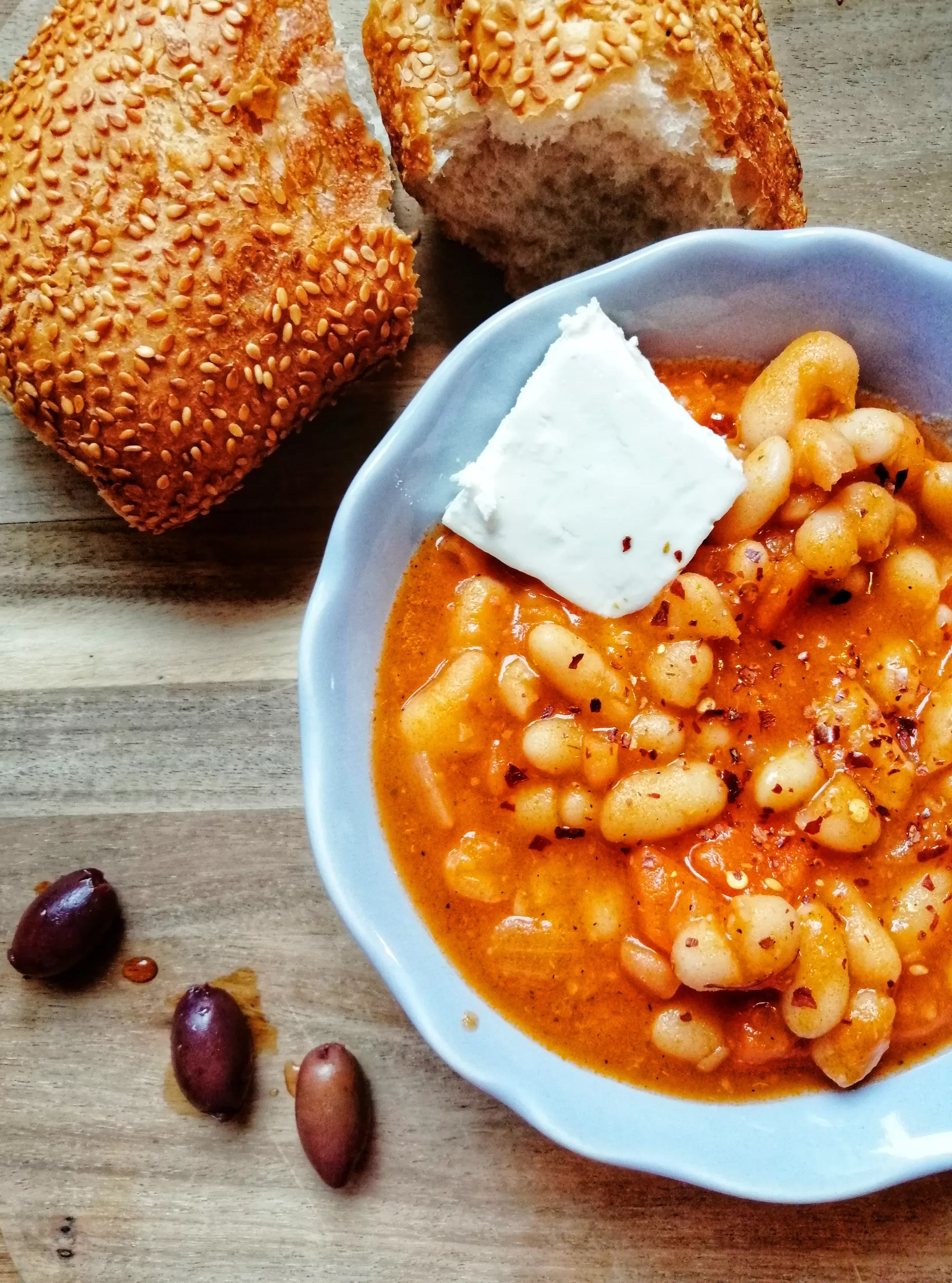
When it comes to comfort food, few dishes compare to Greek Fasolada — a hearty, flavorful bean soup that has been enjoyed for centuries. Often called the national dish of Greece, this wholesome recipe combines simple ingredients like white beans, olive oil, vegetables, and herbs to create a filling meal that’s both nutritious and satisfying.
Whether you’re exploring Greek cuisine for the first time or craving a taste of home, making fasolada is easier than you think. In this post, you’ll learn the history behind this beloved dish, its nutritional benefits, and how to prepare it at home with an authentic recipe.
What is Greek Fasolada?
Fasolada (pronounced fah-so-LAH-tha) is a traditional Greek bean soup made primarily with white beans, onions, carrots, celery, and plenty of olive oil. What makes it uniquely Greek is the balance of flavors — the sweetness of slow-cooked vegetables, the richness of extra virgin olive oil, and the brightness of tomato and fresh herbs.
This dish has ancient roots, dating back to Classical Greece, where beans were a staple in the diet. Today, fasolada is still a household favorite, especially during the colder months.
Why You’ll Love Fasolada
- Nutritious: Packed with plant-based protein, fiber, and vitamins.
- Budget-Friendly: Made with pantry staples and affordable vegetables.
- Comforting: A warming dish perfect for family meals.
- Vegan-Friendly: Naturally meat-free and full of flavor.
Tips for the Best Fasolada
- Soak the beans overnight to ensure they cook evenly.
- Use good quality olive oil — it’s the heart of this dish.
- For a thicker soup, mash a few beans against the side of the pot while simmering.
- Add a pinch of chili flakes if you like a gentle kick.
Health Benefits of Fasolada
Eating Greek Fasolada isn’t just comforting — it’s also incredibly healthy:
- High in fiber → supports digestion and keeps you full longer.
- Plant-based protein → a great option for vegetarians and vegans.
- Rich in antioxidants → from olive oil, tomatoes, and fresh herbs.
- Heart-healthy → beans and olive oil are staples of the Mediterranean diet.
Greek Fasolada in Greek Culture
Fasolada is more than a recipe — it’s a symbol of Greek hospitality and simplicity. Traditionally, it was served during fasting periods in the Greek Orthodox calendar, making it a staple in many households. Even today, every Greek family has its own version of fasolada, passed down from generation to generation. Make sure to check this recipe of Tourlou with Minced-meat if you want a meat-based meal.
Final Thoughts
If you’re looking for a dish that is wholesome, affordable, and deeply rooted in tradition, Greek Fasolada is the perfect choice. With just a handful of ingredients, you can enjoy the flavors of Greece right at home.
So, grab your beans and olive oil, and get ready to warm up with this timeless recipe. Once you try it, you’ll understand why fasolada has been called the ultimate Greek comfort food.
Step 1 If using dried beans, soak them with boiled water for 1 hour. Discard the water and place beans in a pan. Add just enough water to cover the beans and boil until beans are soft to the touch. That can take up to one hour depending on the beans. You will need to top up with boiled water when needed. If using tinned beans skip step one Step 2 Chop the onion, carrots,potatoes and celery sticks. Add them to the pot along with salt and pepper, tomato puree and tomato paste. Add a bit more water for the ingredients to be covered in water and cook for 20-30 more minutes. Towards the end of the cooking, add the olive oil. The bean stew is ready when the sauce is nice and thick. You can easily saute the onion and tomato paste in some olive oil. This gives a nice taste to the food but can be a bit heavier on the stomach. Always add the olive oil at the end of the cooking process. This way the sauce will get thicker and you can keep all the nutrients from the olive oil. Serve with some feta cheese, kalamata olives and some hearty,crusty bread
Ingredients
Instructions
Notes

2 comments
Perfect!
Last week I used Shoprite canned beans for the first time. My fasolatha was delicious! Fast and easy!
I know Georgia! Tinned beans and chickpeas make life so much easier!! I’m so glad you enjoyed your fasolatha!!! 🙂
Comments are closed.